Category: Uncategorized

  • Becoming a Breakthrough T1D Outreach Ambassador: Supporting Families & Sharing Hope

    When my little sister Ava was diagnosed with Type 1 Diabetes (T1D), our family faced a steep learning curve from managing blood sugars to navigating emotional challenges. One way I found to give back and support others was by becoming a Breakthrough T1D Outreach Ambassador.

    Breakthrough T1D is a nonprofit organization focused on:

    • Funding research for a cure
    • Advocating for policies that improve lives
    • Providing resources and programs for people affected by T1D

    Some of their key programs include:

    Bag of Hope:

    a kit filled with tools, education, and comfort items for newly diagnosed children and families.

    Teen Kit & Adult Kit:

    specially designed resource kits to support older youth and adults living with T1D.

    Community events:

    Diabetes camps, community summits, fundraising for research, and awareness walks.

    As an outreach ambassador,

    • I connect with families shortly after diagnosis
    • Share resources and answer questions
    • Encourage participation in programs like summer diabetes camps and community summits

    When Ava was diagnosed, she received Rufus the Bear, a comforting companion. But we didn’t know about the Bag of Hope until I became involved. Now, I get to share these resources with others, helping families feel supported from day one.

    Encouraging Community and Respecting the Journey:

    Not everyone is ready to dive into the T1D community immediately. Sometimes family members are more open to it than the person living with diabetes, and that’s okay. It’s a personal journey.

    For Ava, seeing me at the Breakthrough T1D Walk encouraged her to join the next one the following year, when she felt ready. Celebrating small steps and victories can make all the difference.

    If you or someone you know is newly diagnosed, I encourage you to explore Breakthrough T1D and their programs.

    Visit their website: breakthrought1d.org

  • Summer Activities for a Teen with T1D

    Summer is full of fun and new adventures. But for a teen with Type 1 Diabetes (T1D), it also means extra planning to stay safe and healthy. In this post, you’ll also learn the difference between long-acting insulin like Lantus and rapid-acting insulin like Humalog.

    Here are some tips from my sister Ava’s summer experiences.

    Going to the mall or hanging out means carrying all your diabetes supplies.

    This includes insulin, gummies for lows, glucagon (nasal spray), a lancet, and a blood glucose device. Being prepared helps you feel confident.

    You can also send pictures of your food to a parent or caregiver. They can help figure out the right insulin dose, whether by injection or through the pump.

    Sleepovers can be tricky. Teens with T1D might need a nighttime Lantus insulin injection.

    Lantus = long-acting insulin. Works slowly over ~24 hours. Helps keep blood sugar stable between meals and overnight

    Humalog = rapid-acting insulin. Works quickly (starts in ~10 minutes). Used to cover carbs at meals or correct a high blood sugar

    If a teen needs their Lantus at night, a parent or caregiver might need to come to the friend’s house to give the shot, especially if the teen isn’t ready to inject themselves.

    It can feel awkward at first, but true friends understand. Taking care of your health is important and nothing to be embarrassed about.

    Supportive, patient friends make all the difference. Surround yourself with people who respect your needs. There should never be any embarrassment for managing your diabetes.

    Taking care of yourself is strength and self-love.

    T1D is just one part of your story. With good planning, support, and positive friends, summer can be fun and safe.

  • Navigating No-Phone Policies With T1D in Middle School

    Middle school comes with its own set of challenges — and for someone living with T1D, one of those challenges can be as simple as having their phone nearby. 

    My sister, Ava, uses her phone to read her blood glucose levels through the Dexcom app. But in a school with strict no-phone policies, misunderstandings can happen if staff are not aware.

    Why Communication Matters:

    If teachers, yard supervisors, or office staff are unaware of the medical need for phone use, situations can arise where someone with T1D feels:

    • Isolated
    • Targeted
    • Embarrassed for simply trying to manage their health

    How to Help Prevent Conflicts:

    To avoid these uncomfortable moments, clear communication before the school year begins is key. What has worked for us:

    • Send an email to teachers and school staff a week before school starts, explaining the need for phone use to monitor glucose levels.
    • Inform the school nurse and office staff, so they can help advocate if questions arise. 
    • Encourage open communication, and consider creating a simple, discreet signal between the student and teacher to indicate they may need to visit the nurse without drawing attention.

    When teachers and staff are informed, everyone becomes part of the support system. The goal is to make sure someone with T1D feels safe, understood, and able to focus on learning — not on explaining themselves.

    Small steps in communication make a huge difference in building trust and creating a positive school experience for everyone.

  • Yes — People With T1D Can Enjoy Sweets Too!

    One of the biggest misconceptions about Type 1 Diabetes is that people with T1D can’t have sweets at all. But here’s the truth: it’s not about never having sugar — it’s about balance, timing, and making thoughtful choices.

    Before my sister Ava’s diagnosis, she loved candy, especially sour candy. I still remember her 6th birthday party, complete with a full candy bar table. The more sour, the better!

    When Ava was diagnosed, it wasn’t just her routine that changed, but our whole family’s. We didn’t cut out sweets altogether — instead, we made adjustments that helped keep her blood glucose levels steady.

    How We Find Balance With Sweets:

    ◦ Enjoy sweets at reasonable times, usually right after dinner, rather than late at night

    ◦ Plan ahead for dessert, so insulin dosing can be adjusted properly.

    ◦ Never feel guilty — sweets are part of life, especially for children and teens!

    Ava still gets to enjoy her favorite treats — including Yogurtland trips after her endocrinologist appointments, complete with sour candy toppings. On Sunday evenings, it’s become a tradition for us to get ice cream, and Ava’s favorite is a dipped cone. It’s all about balance, learning your body, and making mindful choices. 

    People living with T1D can absolutely enjoy desserts and sweet treats. It’s not about restriction — it’s about understanding how to balance food, insulin, and activity. With a thoughtful routine, small adjustments, and family communication, those sweet moments are still part of life. 

  • Camping, Road Trips & T1D: Our Family’s Tips for Outdoor Adventures

    When the weather is beautiful, nothing beats camping trips or long road trips with family. But when you’re traveling with a loved one who has T1D, preparation becomes just as important as the destination.

    My younger sister, Ava, loves exploring the outdoors — whether it’s camping by a lake, swimming, or long car rides to national parks. But T1D doesn’t take a vacation, so we’ve learned how to pack smart and stay ready, while still having fun. A small cooler is a lifesaver.  We never leave for a long trip without a small lunch-pail-sized cooler in the car. Inside, we keep: 

    •  Ava’s insulin (both her fast-acting and her long-acting Lantus)
    • Spare insulin pens, in case one malfunctions
    • Ice packs (but not freezing cold — just enough to keep insulin cool and safe)

    We bring an extra glucose monitor and test strips. Sometimes technology can glitch or get lost in travel bags, and having a backup gives peace of mind. Ava’s Dexcom can sometimes peel off after time in the pool or at the lake. We always pack:

    • Sunscreen (applied around, but not directly under, the Dexcom site)
    • KT tape or Dexcom covers to help keep the sensor secure
    • Alcohol wipes to prep the skin before applying a new sensor, if needed

    After long active days, Ava’s numbers can swing. We check her glucose levels closely before bed, especially after a full day of swimming, and keep juice boxes or glucose tabs nearby. Despite all this planning, these trips are filled with laughter, campfire stories, and new memories. T1D is part of the trip — not a reason to avoid adventure. Ava is proof that you can explore the outdoors, swim, hike, and enjoy every moment… with a little extra care and a lot of family support.

  • Exercise & T1D: Why Every Body is Different (and That’s Okay)

    When people think of Type 1 Diabetes and exercise, they usually imagine one thing: blood sugar drops and treating lows. But what we’ve learned in our family is that it’s not always that simple.

    My sister Ava, for example, often goes high when she exercises. Her body responds to adrenaline and stress hormones, causing her blood sugar to rise — sometimes so high that she even needs to take insulin mid-practice. But then, a few hours later — especially after late practices — her blood sugar can crash, and we’re up at night monitoring and treating lows. It’s a roller coaster.

    And guess what? That’s normal.

    Why does everyone respond differently to exercise with T1D?

    • Hormones: Exercise releases adrenaline and cortisol, which can raise blood sugar in some people before or during activity.
    • Type of exercise: Anaerobic activities (like sprinting or weightlifting) often push glucose higher, while long, steady cardio may cause dips.
    • Timing: If practice is in the evening, there’s a higher chance of overnight lows due to delayed muscle absorption of glucose.
    • Individual metabolism: No two bodies are the same — and even the same person may respond differently day to day.

    Tips for Active Kids & Teens Managing T1D

    • Track patterns: Keep a log of blood sugars before, during, and after workouts to learn how your body responds.
    • Don’t fear corrections: If blood sugar spikes during exercise, it’s okay to correct with small insulin doses (with guidance from your care team).
    • Watch for late lows: After intense practices, especially in the evening, keep snacks and glucose tabs on hand and set nighttime alarms.
    • Communicate: Make sure coaches and teammates are aware of T1D and have a backup plan in case of lows.
    • Stay flexible: Some days will be smooth; others will feel unpredictable — and that’s okay.
  • Meet Ava & Her Pup Named Zoey!

    When my sister Ava was diagnosed with Type 1 Diabetes, we were all overwhelmed — not just by learning about blood sugar and insulin, but by the emotional weight of it all.

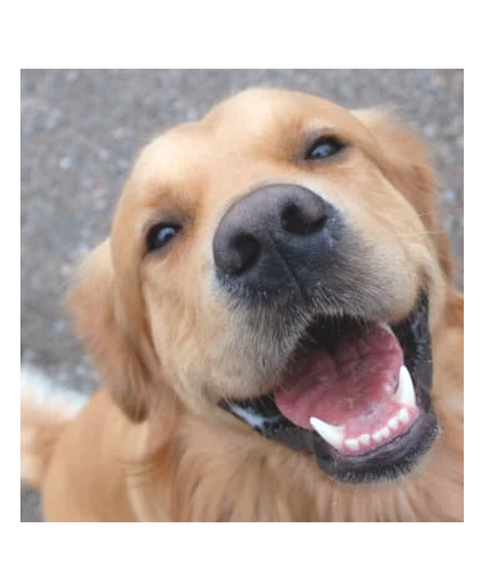
    Ava was 9, full of energy and dreams, and suddenly her life was filled with finger pricks, carb counts, and hospital visits. As her big sister, I wanted to protect her and help her adjust. One of the best things that happened was the arrival of Zoey — a playful, fluffy puppy who quickly became Ava’s best friend and emotional support.

    Ava and Zoey have taught us that even during life’s toughest transitions, joy and resilience can grow — especially with a loyal friend by your side. We’ve learned how to pack emergency snacks for travel, talk to teachers about having phones in class for CGM alerts, and navigate birthday parties without fear.